
My Number One Tip for Getting a Journalist to Say Yes to Your Pitch
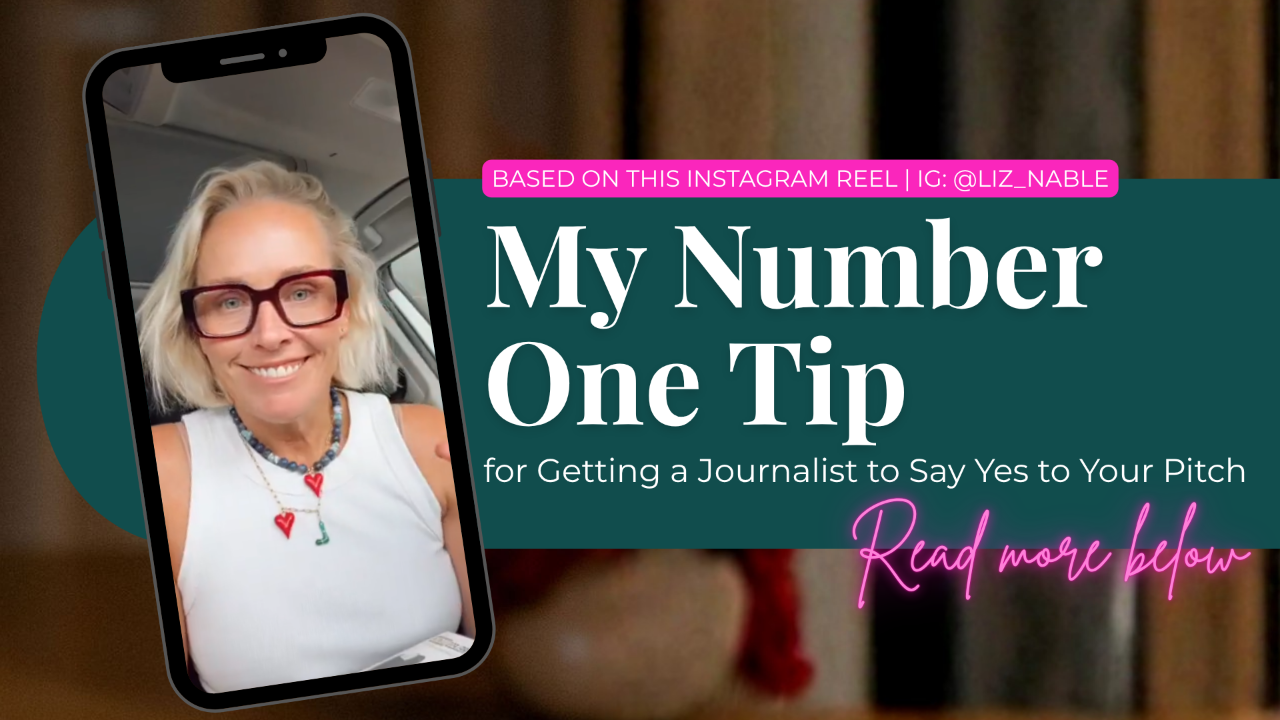
Anyone can throw a thousand dollars behind Meta ads. You can take out a billboard, advertise on TV, or shout from the rooftops on social media.
But nothing builds trust, credibility and reputation like organic media and free PR.
I spent 15 years as a TV news journalist before spending another 15 as a small business owner. Now I teach small business owners how to get featured in the media, and there is one piece of advice I repeat more than any other.
Prepare before you pitch.
Write it down. Preparing to pitch is almost, if not more, important than the pitch itself.
Why organic media beats paid every time
First, let's be clear on what we mean by organic media. This is traditional media you cannot pay to be featured in. TV news and lifestyle shows, newspapers, magazines, radio and podcasts.
We are not talking about advertorials, advertising or paid placements. When a journalist chooses to tell your story, your audience knows you did not buy your way in. That is what builds trust. And trust is what turns a stranger into a customer.
The good news? You do not need a publicist or hours of research to make it happen. Five or ten minutes of preparation before you pitch will put you ahead of almost everyone else landing in a journalist's inbox.
Here is exactly how to do it.
Step 1: Get clear on why you want media coverage
Before you pitch anyone, ask yourself what you are actually hoping to achieve. Your answer shapes everything that follows.
You might be looking for:
- Brand awareness, because you are a new brand, first to market, or nobody knows who you are yet
- A personal brand, building your reputation as the go-to expert in your industry
- More sales, because everyone wants more sales
- Trust and credibility, especially if you have had negative press or a bad review and want your name associated with something positive
There is no wrong answer. But there is a wrong approach, and that is pitching without knowing what outcome you want.
Step 2: Work out where your audience is
Where does your ideal customer consume media? What are they reading, watching and listening to?
If your target market is teenagers, they are probably on TikTok and listening to podcasts. If your audience is women of a certain age, they might be reading the Women's Weekly. A corporate audience? Think LinkedIn and The Australian Financial Review. Mainstream, everyday Aussies? The Daily Telegraph, The Courier Mail, The Herald Sun or Perth Now.
Pitching the wrong outlet is the fastest way to hear nothing back. Go where your audience already is.
Step 3: Consume the media you want to be featured in
Once you know where you want to be featured, go and read it, watch it or listen to it.
You do not need to read every issue ever published. Just get a top-line understanding of the kinds of stories they cover and the tone they use. Is it conversational? Is it corporate? The Daily Telegraph writes for mainstream Australia. The AFR writes for the top end of town. Those are two very different pitches.
Ten minutes of casual reading is enough to understand who you are pitching before you pitch them.
Step 4: Find the journalist writing your kind of story
Here is the part most people miss. Notice the byline.
Who wrote that article, that gift guide, that feature on a business like yours? It has never been easier to find them. Click on their name and you will usually land on their email address or LinkedIn profile within seconds.
That journalist is already writing about what you want them to write about you. They are your warmest possible lead.
Step 5: Introduce yourself before you pitch
Do not lead with your pitch. Lead with an introduction.
Send a short email telling the journalist who you are, what you do and what you would like to be known as an expert in. Not a 13-page essay. Just a friendly, genuine introduction.
Why? Because journalists say yes to people they recognise. If you have introduced yourself and had even a quick exchange, you have a much better chance of them opening your email, replying to you, and saying yes when you do pitch your story.
We want a warm relationship, or at least a first hello, before we ask a journalist to do something for us.
The takeaway
Getting featured in the media is completely doable, even if you are starting with no story, no public profile and no media experience. Like any part of your business, you are not expected to be an expert straightaway.
Start with this:
- Know why you want media coverage and what you want it to achieve
- Work out where your audience consumes media
- Read, watch or listen to that media yourself
- Find the journalist writing about your industry
- Introduce yourself before you ever send a pitch
Five to ten minutes of preparation. That is the difference between a pitch that gets ignored and a pitch that gets a yes.
Your business does not have to stay a best-kept secret. With the right preparation, you can build a go-to reputation as the expert in your field, one pitch at a time.
Liz Nable is a former TV news journalist and the founder of Media Masters Academy, where she teaches small business owners how to land free media coverage and build their reputation as industry experts.
